Real Estate Investors
Investors purchasing rental properties.
Guiding global clients to local opportunities with over 21 years of mortgage experience.

REAL ESTATE INVESTORS
Finance an investment property using the property's rental income instead of relying mainly on your personal income.
A DSCR loan is designed for investment properties. Instead of focusing mainly on your salary or personal income, the lender looks at the property's rental income and monthly housing expenses.
In simple terms: Can the property's rent support its payment?
DSCR compares the property's qualifying rental income with the monthly property payment used by the lender.
Rental Income ÷ Property Payment = DSCR
Example
In this example, the rent is 1.20 times the monthly property payment.
Each lender has its own DSCR rules. Some programs may also be available when the ratio is lower.
Investors purchasing rental properties.
Investors who prefer not to qualify using traditional personal-income documents.
International investors purchasing eligible U.S. investment properties.
Eligible investment properties may be financed and titled through an LLC, depending on the program.
Program requirements vary by lender and property.
| Topic | DSCR | Full Doc |
|---|---|---|
| Main focus | Property rental income | Borrower's personal income |
| Personal income | Often not the main qualification method | Documented and reviewed |
| Best for | Investment properties | Borrowers who can document qualifying income |
| Documents | Usually simpler personal-income documentation | More personal-income documentation may be required |
Not sure which one makes more sense? We can compare both options for your scenario.
There is no single down-payment requirement for every DSCR loan. The amount can change based on the property, loan amount, DSCR, borrower profile and lender program.
In many cases, putting more money down can improve the available loan terms.
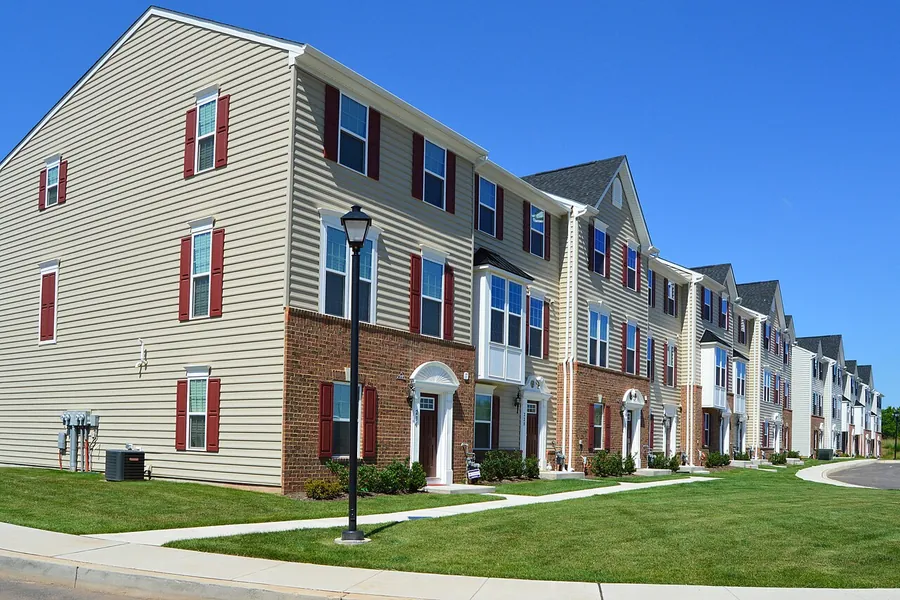
DSCR financing may be available for different types of investment properties, depending on the lender and program.
 Single-Family Homes
 Condominiums
 Townhomes
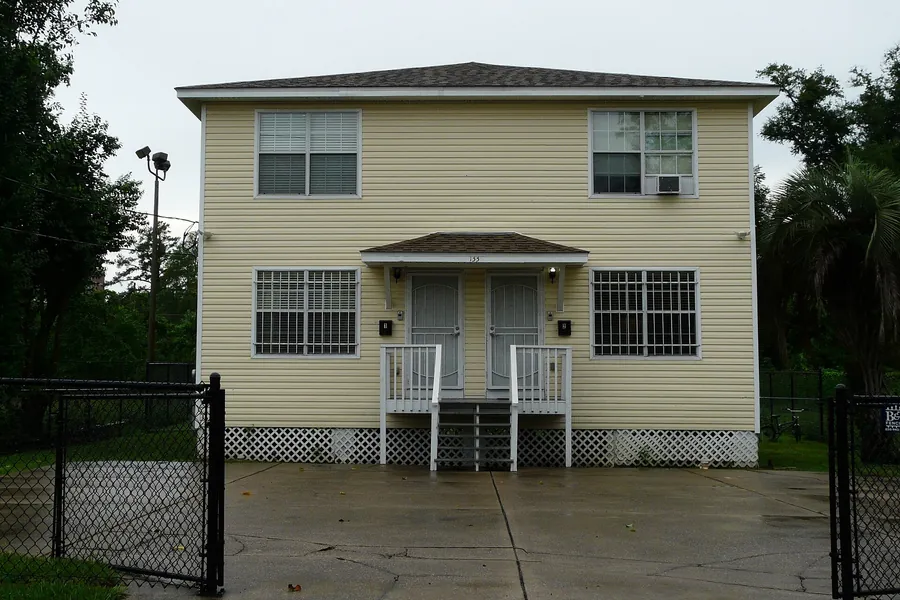 2–4 Unit Properties
 Eligible Short-Term Rentals
Some DSCR programs allow eligible short-term rental properties. How rental income is calculated can vary by lender and property.
Before making an offer, we can review the property and determine which programs may work.
Many investment-property programs allow eligible borrowers to close in an LLC. The exact ownership and guarantor requirements depend on the lender.
A lender may ask you to show that you will still have money available after closing. These funds are called reserves.
The amount required varies by program.
Some investment-property loans may include a prepayment penalty. This means there may be a cost if the loan is paid off or refinanced early.
The terms vary by lender and program, so we review them with you before closing.
Finance an eligible investment-property purchase.
Replace an existing investment-property loan with a new financing structure.
Eligible investors may be able to access part of the equity in an investment property.
Learn about cash-out refinanceDSCR can be especially useful for international investors because qualification may focus on the U.S. investment property's rental income instead of traditional U.S. employment income.
Foreign National requirements vary by lender, including down payment, assets, reserves and documentation.
Explore Foreign National MortgagesPurchase price, expected rent and basic property information.
We compare appropriate lender programs.
Complete the application and property valuation.
The lender reviews the property and required documents.
Final documents are signed and the transaction is completed.
Enter the property's rent and expenses into our DSCR Calculator.
A DSCR mortgage is primarily designed for investment properties. Instead of qualifying mainly from the borrower's personal employment income, the lender evaluates the property's rental income in relation to its required housing expenses. Exact guidelines vary by lender.
Yes. One of the main purposes of a DSCR mortgage is to qualify an investment property primarily from the property's rental performance rather than the borrower's personal employment income. Lenders may still review other borrower and asset requirements.
Yes, some Foreign National DSCR programs are available to borrowers who do not have a U.S. FICO score. The lender may evaluate other factors such as assets, payment history where applicable, LTV, reserves and the property itself.
Yes. Foreign Nationals can use DSCR programs offered for eligible investment properties. This can be particularly useful when the borrower prefers to qualify based on the property's rental income rather than documenting personal income from another country.
Yes. Many DSCR programs allow investment properties to close in a newly formed LLC. The lender will review the entity documents, ownership structure and guarantor requirements. The LLC does not necessarily need a long operating history.
Yes. Some DSCR programs finance Airbnb and other short-term-rental properties. The lender must accept short-term-rental use and determine the qualifying rental income under its guidelines.
There is no single down payment for every Foreign National Mortgage. The amount depends on the lender, loan amount, property type, how the property will be used and your overall situation. Some programs may start around 20% down, but we commonly see Foreign National purchases with about 25%–30% down. We compare the options for your specific purchase.
Some do. Prepayment penalties are common in certain investment-property and business-purpose mortgage programs, but they are not universal. The term and penalty structure depend on the lender and program.
Tell us about the property, expected rent and financing you need. We'll help you understand which DSCR options may fit your scenario.
This page is general information, not a loan offer. Rates, terms and requirements are confirmed only after a full review.
DIRECT INQUIRY
Share only the basic details needed for an initial review. Do not send sensitive financial documents.