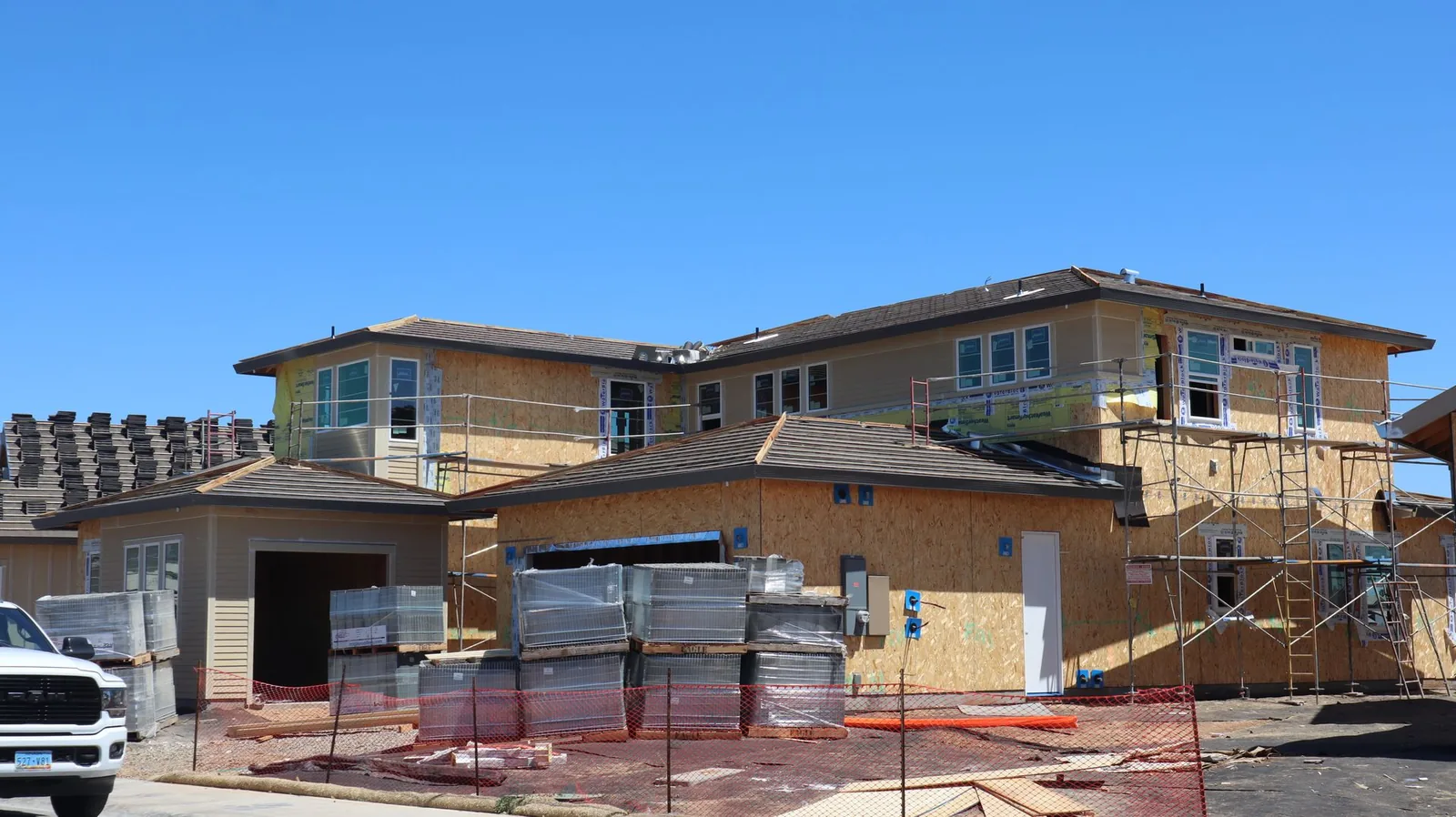
A construction loan is different from a regular mortgage.
With a regular mortgage, the property is already completed.
With a construction loan, money is generally released in stages as construction progresses. These stages are commonly called draws.
Because the property is built over time, the loan is set up around the project itself: the plans, the builder, the budget and the schedule.
From Land to Finished Property
Land / Existing Property
Plans & Permits
Construction Loan
Draws During Construction
Completed Property
What If I Already Own the Property?
If you already own the land, or an existing property that will be torn down and rebuilt, the lender will review the current property, any existing debt and the proposed construction project.
The equity you already have in the property (its value minus what you owe) may be important when the construction loan is structured.
The exact treatment of land value, existing debt and borrower equity varies by lender and program.
What Is the Loan Based On?
Construction lenders may consider:
Land or current property value
Construction budget
Existing debt
Total project cost
Expected value when construction is complete
Borrower equity (the part of the project you own or pay for)
The lender may order an appraisal (an independent estimate of value) based on the plans for the finished property.
Different lenders calculate maximum financing differently, so the structure needs to be reviewed for your specific project.
What Should Be Ready Before Applying?
Depending on the lender and stage of the project, you may need items such as:
Construction plans
Project specifications (materials and finishes)
Detailed construction budget
Builder/contractor information
Permits or permit status
Project timeline
The exact list depends on the loan and lender. International borrowers may be asked for additional information.
How Do Construction Draws Work?
The full construction budget is usually not handed to you on the first day. Funds are generally released in stages as work is completed. Here is a simple example:
Draw 1Site / Foundation
Draw 2Framing
Draw 3Mechanical / Rough-In Work
Draw 4Interior / Finishes
Final DrawCompletion
The actual number and timing of draws depends on the lender and construction schedule.
Why Are Inspections Needed?
Before a draw is released, the lender may require an inspection to confirm that the work for that stage has been completed.
This helps the lender track the project's progress and construction budget.
When Do I Pay Interest?
Construction-loan interest is often based on the amount of loan money that has actually been paid out so far, rather than the entire construction budget from day one.
The exact payment structure depends on the lender and loan.
What Is an Interest Reserve?
Some construction loans may include money in the project budget to help cover loan interest during construction. This is commonly called an interest reserve. Whether it is available and how it is calculated depends on the lender and project.
Two Types of Construction Financing
Construction-to-Permanent
Construction financing that is designed to turn into a longer-term mortgage when the home is completed, depending on how the program is set up.
Standalone / Ground-Up Construction Loan
A separate construction loan pays for the building phase only. When construction is complete, you may need separate permanent financing or another exit strategy, such as selling the property.
The right structure depends on the project and what you plan to do when construction is finished.
Who Is Building?
Building Your Own Home
Financing for eligible borrowers building a primary or second home.
Building an Investment Property
Financing options for eligible investment and development projects.
Foreign National & Investor Projects
Construction financing may be available for eligible Foreign National and investor borrowers, subject to program requirements.
Program availability varies by lender, property and borrower, and is confirmed during the review of your project.
Instead of paying out the full amount at closing, a construction loan releases money in stages (draws) as work is completed. The loan is set up around the plans, builder, budget and schedule.
Not always. Some programs can include the land purchase; others expect you to own it already. It depends on the lender and program.
It may be possible. If you own the land, its value minus what you owe may be considered when the loan is structured. How it is treated varies by lender and program.
A draw is a payment from the construction loan released when a stage of work is done, such as the foundation or framing.
Before releasing a draw, the lender may send an inspector to confirm the work for that stage is complete. This keeps the project and budget on track.
Interest is often charged only on the money paid out so far, not the full budget from day one. The exact payment structure depends on the lender and loan.
Some loans set aside money in the project budget to help pay interest during construction. Whether it is available depends on the lender and project.
With construction-to-permanent financing, the loan may turn into a long-term mortgage. With a standalone construction loan, you usually refinance into permanent financing, sell the property or use another exit plan.
Let's Review Your Construction Project
Tell us about the property, construction budget and what you plan to build. We'll help you understand which financing options are worth exploring.
Have a general question? Visit our FAQ or contact us.
Rates, loan amounts, down payment, credit, draw schedules and underwriting requirements vary by lender, program and transaction, and are confirmed only after a full review. This page is general information, not a commitment to lend.
DIRECT INQUIRY
Construction Financing Inquiry
Share only the basic details needed for an initial review. Do not send sensitive financial documents.
Stay Updated
Mortgage news, helpful tips and updates from Alon Finance.
By subscribing, you agree to receive occasional mortgage updates and financing tips by email. You can unsubscribe at any time.