Purchase
Finance the purchase of an eligible commercial property.
Guiding global clients to local opportunities with over 21 years of mortgage experience.
COMMERCIAL FINANCING
Buying, refinancing or pulling equity from a commercial property? We help business owners and investors compare financing options for a wide range of properties.
Finance the purchase of an eligible commercial property.
Replace an existing commercial loan with a new financing structure.
Eligible owners may be able to access part of the equity in a commercial property.
Thinking about cash-out on a home or rental instead? See Cash-Out Refinance.
Examples of commercial properties we can help you explore financing for:
 Multifamily
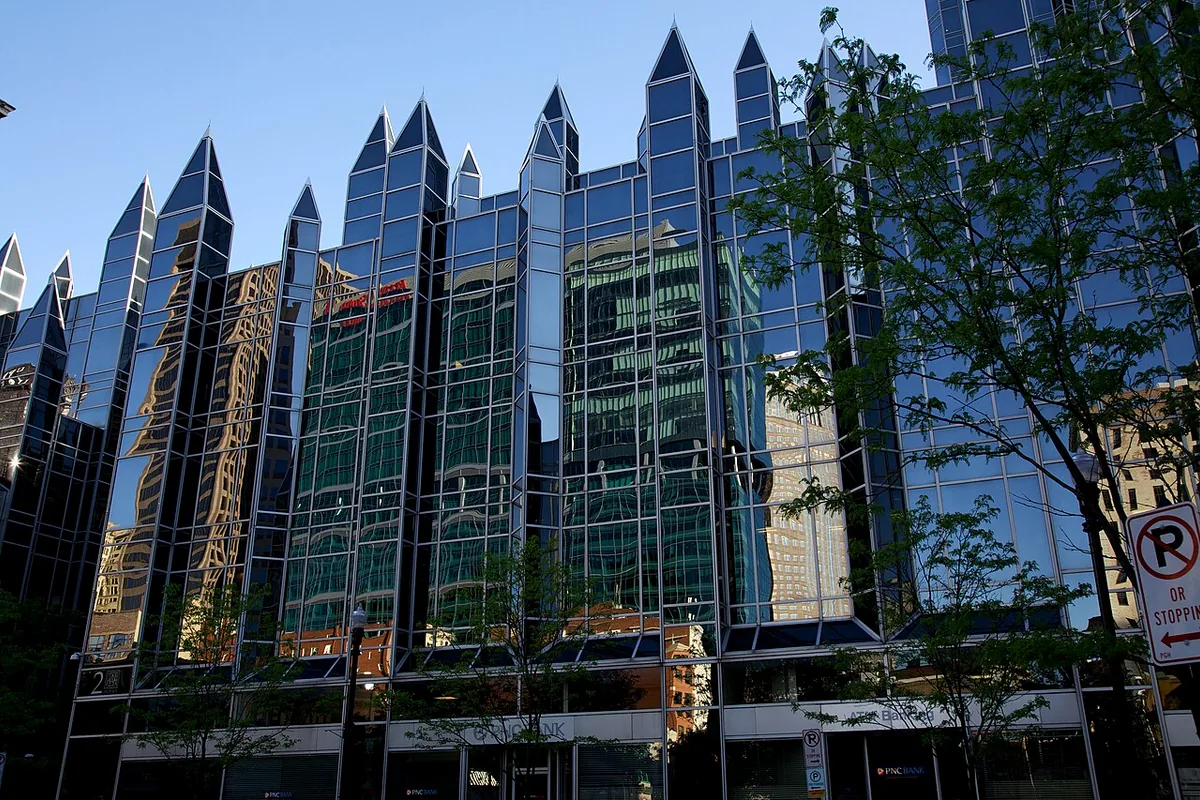 Office
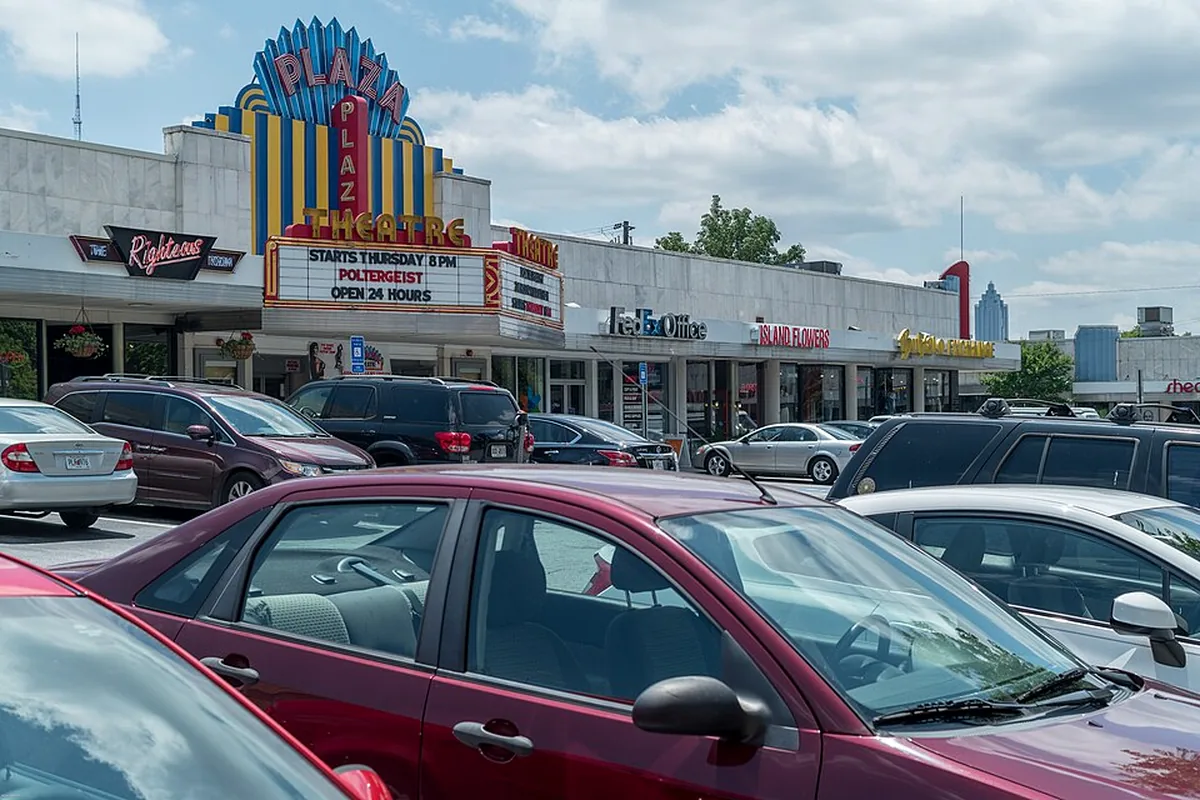 Retail
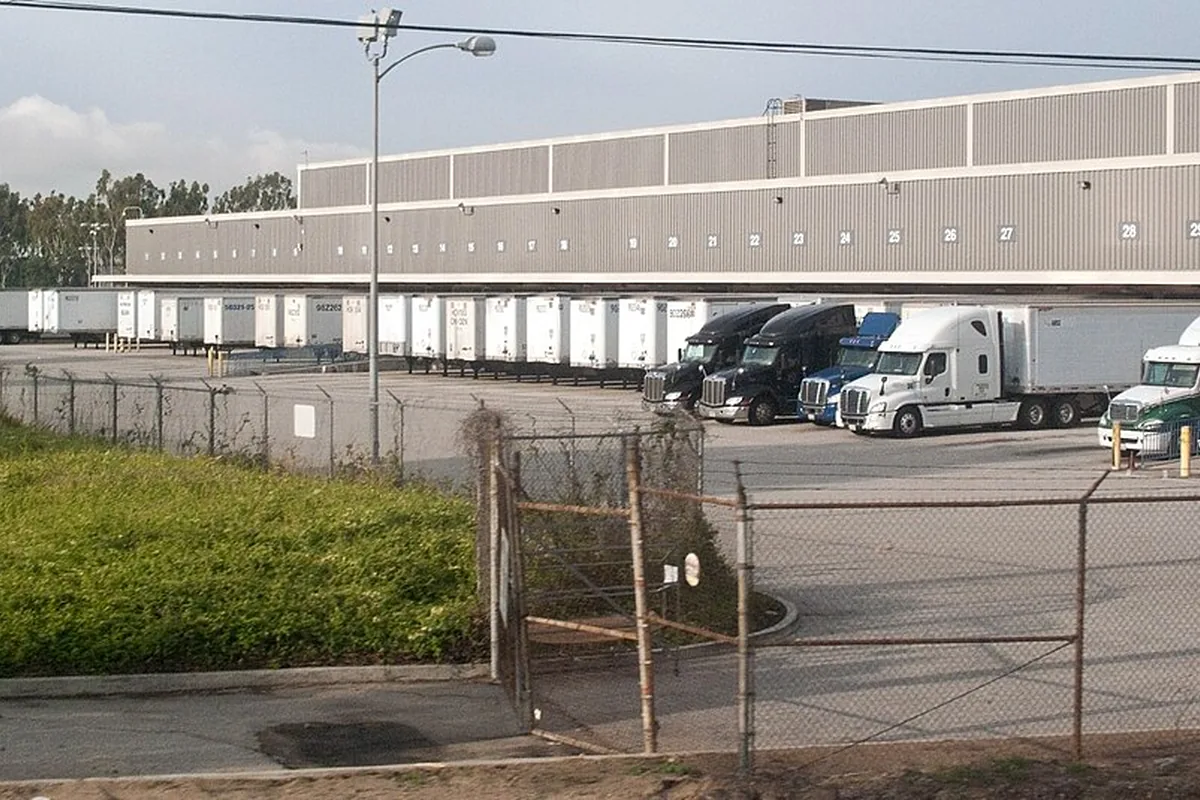 Industrial / Warehouse
 Mixed-Use
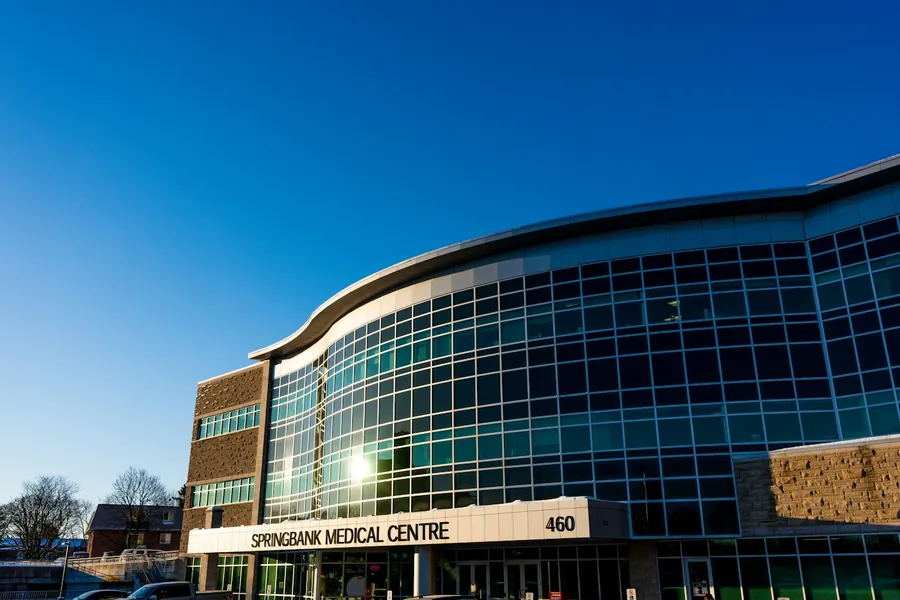 Medical / Professional Office
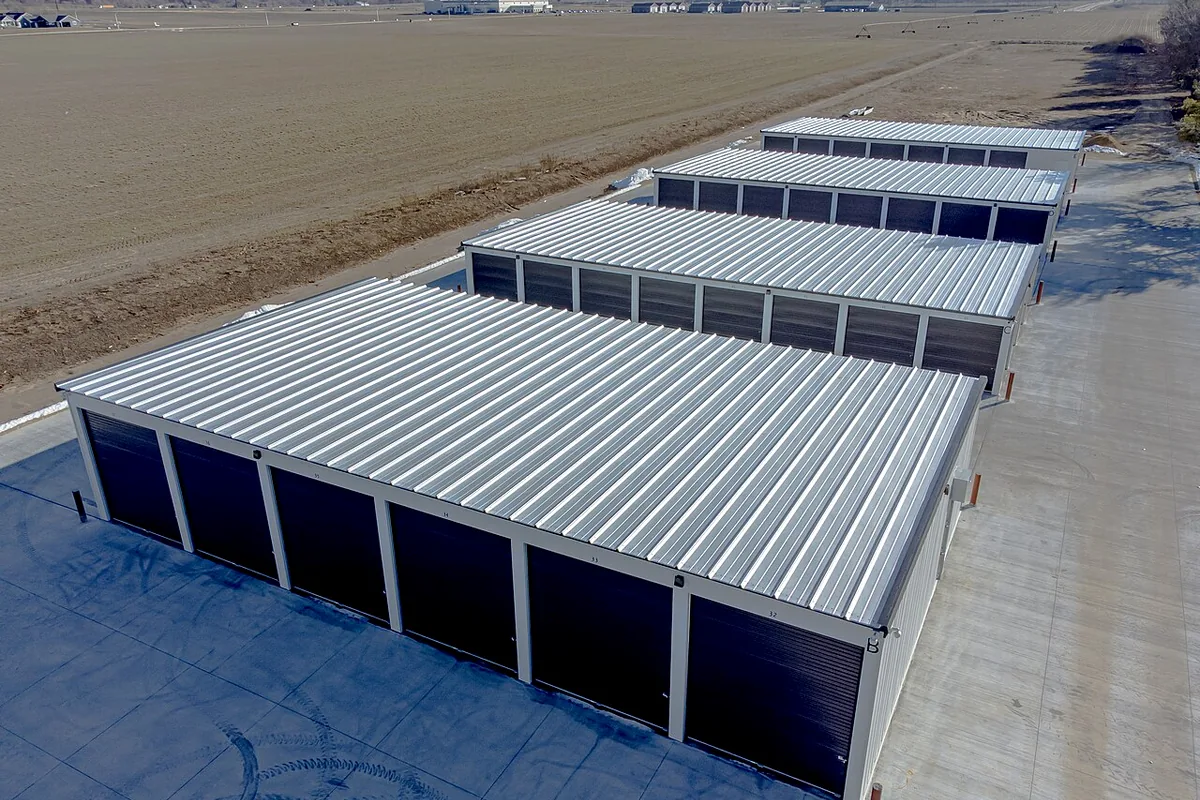 Self-Storage
 Hotel / Hospitality
Property eligibility depends on the lender, loan program and specific property.
Commercial financing may look at a combination of:
The exact review depends on the type of property and loan.
For many income-producing commercial properties, lenders want to see whether the property's income can support the proposed loan payment. Net Operating Income (NOI) is what is left from the property's income after paying its operating costs.
The business buying the property plans to operate from it.
Examples: office, medical office, warehouse, retail or business location.
Financing may consider both the business and the property.
The property is mainly owned to earn rental or investment income.
Financing may focus more on property income, leases and operating expenses.
A commercial loan may have:
Example: a commercial loan could have a shorter loan term, while the monthly payment is calculated using a longer amortization period. Any balance left at the end of the term would then need to be paid off or refinanced.
Every lender and program structures this differently. We explain the terms of any option before you decide.
May be useful for eligible owner-occupied business real estate and certain business purposes.
Qualification considers SBA rules, the business and the transaction.
Commercial financing outside the SBA structure.
Terms and qualification depend on the lender, borrower, property and transaction.
Neither option is automatically better. The right structure depends on what you are buying and how the property will be used.
Commercial down payment requirements vary widely. Property type, loan program, property income, borrower strength and loan amount can all matter.
For a refinance, the lender looks at the equity already in the property instead of a purchase down payment.
Depending on the transaction, the lender may ask for:
Your document list depends on the loan. We will tell you what is actually needed for your transaction.
Property, purchase/refinance amount and your financing goal.
We identify lender/program options worth exploring.
Provide the information needed for the selected financing.
The lender reviews the property, borrower and financial information.
Final documents and funding are completed.
Estimate payment and basic commercial-loan figures before we discuss the deal.
Many types may be considered, such as multifamily, office, retail, industrial/warehouse, mixed-use, medical office, self-storage, hospitality and owner-occupied business property. Not every lender finances every type. Eligibility depends on the lender, program and the specific property.
It varies widely. Property type, loan program, property income, your financial strength and the loan amount all matter. For a refinance, the lender looks at the equity you already have in the property.
It compares what the property earns after normal operating costs (called net operating income) with the loan payments. It shows whether the property earns enough to pay the loan. Required levels vary by lender and program.
Amortization is the period used to calculate your monthly payment. In commercial loans it can be longer than the loan term, which keeps payments lower but may leave a balance at the end of the term.
A balloon payment is the remaining loan balance that comes due at the end of the loan term. Borrowers usually pay it off, sell the property or refinance. Not every program has one.
Recourse describes whether a lender may have rights beyond the property itself if the loan is not repaid. The structure varies by loan and lender. Review the loan documents with the appropriate legal professional if you have questions about your personal obligations.
It depends on the loan. Common items include the rent roll, leases, income/expense information, business financial statements, tax returns, bank statements and the purchase contract. We tell you exactly what your transaction needs.
SBA financing follows SBA program rules and is mainly for eligible owner-occupied business property and certain business purposes. Conventional/bank commercial loans are outside the SBA structure. Neither is automatically better; it depends on the property and how it will be used.
Tell us about the property, purchase or refinance amount and the financing you need. We'll help you understand which options are worth exploring.
Have a general question? Visit our FAQ or contact us.
This page is general information, not a loan offer or approval. Rates and terms are not published here and depend on your transaction.
DIRECT INQUIRY
Share only the basic details needed for an initial review. Do not send sensitive financial documents.